Mini vs Full-Size Inflatables
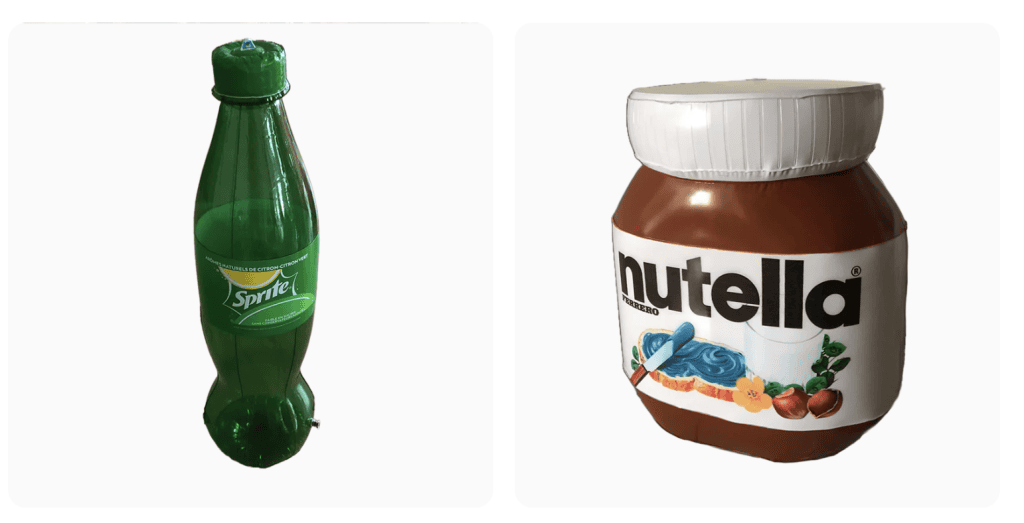
Pick the wrong scale for your promotional inflatables, and you’ll burn the budget on something that doesn’t fit your actual needs. Mini inflatable product replicas have exploded in popularity. Brands want portable, affordable ways to extend visual identity beyond trade shows and outdoor events. But here’s the thing: it’s not about which one looks better. The real question is whether it serves what you’re actually trying to accomplish. Your venue matters. Your distribution plan matters. Your budget matters. And what you want people to do with it afterward, that matters most.
When Mini Inflatable Product Replicas Make the Most Strategic Sense
Mini inflatable product replicas tend to get overlooked in merchandise planning, but they shouldn’t. Some brands click this page just to browse mini formats and end up finding the format works for more activations than they expected. The portability alone changes a lot. You can ship them flat, hand them out at the door, toss them in gift bags, include them in brand kits- no logistics headache. Full-size inflatables are a different story. They need trucks, a crew, inflation equipment, and a dedicated space. Mini versions need none of that. For a brand running activations across multiple cities in one season, that gap in effort adds up fast.
The Budget Case for Smaller Scale
Mini inflatables typically run $5 to $30 per unit. A brand can order 200 units for what a single large-format inflatable costs in production and setup. That calculation matters when you’re planning. If your goal is to reach a lot of people, a stadium giveaway, a retail pop-up, or a conference bag drop, you need volume. Full-size inflatables don’t scale that way; they create one photo moment. Two hundred mini replicas? That’s two hundred potential social posts. Two hundred impressions taken home. Two hundred physical reminders are sitting on someone’s desk or by their pool. The value compounds as people keep them, share them, and photograph them.
Events Where Size Works Against You
Look, some activation spaces simply can’t fit a large inflatable. Indoor conferences. Airport terminals. Retail store footprints. Hotel lobbies. Shared expo booth spaces all have hard physical limits. A 72-inch inflatable crushes it on a beach or stadium concourse; it doesn’t fit in a 10×10 trade show booth or hotel breakout room. Mini replicas solve that directly. They sit at a table. They stack in a display bin. Staff hands them out without blocking foot traffic. In tight spaces, the mini format actually draws more attention; it’s unexpected, it’s tactile, people pick it up and ask questions rather than just walking past something installed across the room.
Full-Size Inflatables: Where Scale Still Wins
Full-size inflatables hold their ground for outdoor brand activations where distance visibility drives the strategy. Place a large-format replica of your product near a highway, at a festival entrance, or on a rooftop, where visibility is unmatched. The scale sends a message. It says your brand showed up, and you can’t ignore it. For experiential campaigns built around one major moment (grand opening, product launch, sponsorship activation), a full-size inflatable justifies its cost. Production timelines run 20 to 30 days for both formats, so lead time doesn’t separate them. What it does depends on whether you’re chasing mass distribution or a single spectacular moment.
Outdoor Visibility and One-Time Impact
Full-size inflatables excel at scale and spectacle in open air, where size becomes an advantage rather than a problem. A large branded replica at a festival entrance or product launch draws eyes from far away and becomes a natural meeting point; that visual anchor isn’t something mini replicas can match. But the setup cost, transportation logistics, and one-day nature of most full-size campaigns mean you need to think hard about the return. If it goes up for one event and into storage afterward, your cost-per-impression climbs fast compared to a mini campaign spreading hundreds of replicas across multiple channels all season long.
How to Decide: A Practical Framework for Brand Teams
The decision between mini inflatable product replicas and full-size inflatables isn’t really about looks. It comes down to four questions.
- What is the main objective? Mass brand distribution and repeat exposure favor mini. A single high-impact visual moment at one location favors full-size.
- What is the venue footprint? Indoor or constrained spaces favor mini. Open-air events with significant walking distance favor full-size.
- What is the quantity strategy? Orders without minimum quantity requirements let brands start with 100 to 200 mini units and scale up based on response, rather than committing to a large single-unit investment.
- What does post-event value look like? Mini replicas travel home with recipients and generate ongoing impressions. Full-size inflatables sit in storage after the event ends.
Most teams that work through these four factors discover that mini inflatable product replicas fit way more scenarios than they initially thought. Full-size inflatables have their place, but it’s narrower. The brands seeing the best returns are the ones matching format to function from day one, not just defaulting to bigger because it feels more impressive.
Conclusion
This choice is strategic, not aesthetic. Mini formats deliver portability, volume, and lasting impressions across indoor and outdoor activations; full-size formats belong at large outdoor events where distance visibility and spectacle matter. For most brands weighing budget, reach, and multi-location deployment, the mini replica format gives better returns. Match the format to your distribution strategy, venue constraints, and campaign goals, and the decision becomes clear.