
Your Home Garden
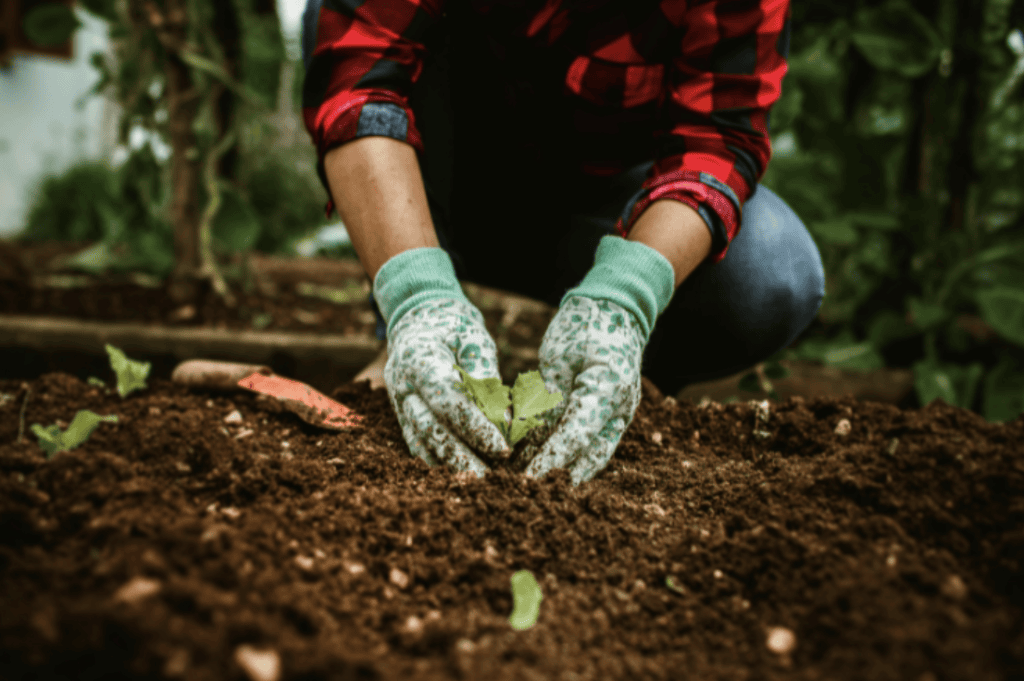
Growing things at home has shifted from a quiet hobby into a major lifestyle trend. From windowsills crowded with herbs to carefully tended vegetable beds and collections of unusual houseplants, people are discovering that growing something from scratch can be both satisfying and surprisingly calming.
The renewed enthusiasm goes beyond traditional gardening, too. Adults are increasingly curious about heirloom vegetables, unusual flowers, specialty plants, and seeds that allow them to explore varieties they may never encounter at an ordinary garden center.
The Return Of Hands-On Hobbies
Modern life offers endless convenience, but convenience does not always provide a sense of accomplishment. Growing plants offers something different because it requires attention, patience, and interaction with the physical world rather than another screen.
That process can be rewarding even when the results are imperfect. Watching a seed become a recognizable plant provides a visible reminder that worthwhile things often take time, making gardening an appealing counterbalance to the instant gratification found throughout digital culture.
Houseplants Helped Bring Gardening Indoors
For many people, the journey into growing begins with a houseplant rather than a backyard garden. Social media, interior design trends, and greater interest in bringing natural elements indoors have helped turn houseplants into important parts of modern home decor.
Plants also allow people to personalize their surroundings without making permanent design changes. A trailing plant on a shelf, herbs beside a kitchen window, or a collection of succulents can bring texture and character to a room while giving its owner something living to care for.
Small Spaces Are No Longer A Barrier
A large backyard was once considered almost essential for serious home gardening, but modern growers have become much more creative. Balconies, patios, windowsills, raised beds, vertical planters, and containers can all transform limited areas into productive growing spaces.
This flexibility makes the hobby more accessible to renters and people living in apartments or urban neighborhoods. Someone may start with basil on a kitchen windowsill before gradually experimenting with tomatoes, peppers, flowers, or other plants suited to the space available.
Growing Food Creates A Different Connection With Meals
Homegrown ingredients can change the way people think about food. Growing even a handful of herbs or vegetables makes it easier to appreciate the time, resources, and natural processes involved in producing something that might otherwise be casually picked up at a grocery store.
There is also a creative element to growing edible plants. A thriving herb garden can inspire different recipes, while unusual tomato or pepper varieties can encourage home cooks to experiment with ingredients that are difficult to find locally.
Specialty Seeds Are Expanding What People Can Grow
As gardening interests become more diverse, specialty seeds have become part of the conversation. Gardeners can explore heritage vegetables, unusual flowers, culturally significant crops, and other varieties that offer something different from the limited selection commonly found in mainstream stores.
In jurisdictions where adult cannabis cultivation is legal, specialty retailers such as libertyseedbank.com are another example of how seed markets have expanded to serve niche adult interests. Laws surrounding cannabis seeds, possession, and home cultivation vary considerably by location, so adults should understand and follow the rules that apply where they live.
Gardening Fits The Move Toward Intentional Living
Another reason home growing is flourishing is its connection to intentional living. People are increasingly interested in hobbies that encourage them to slow down, reduce unnecessary consumption, and become more involved in the things they use or consume.
Gardening fits naturally into that mindset because it encourages observation rather than speed. Plants operate according to biological timelines, meaning growers have to respond to changing conditions instead of expecting immediate results.
Sustainability Is Part Of The Appeal
Environmental awareness has also influenced enthusiasm for growing at home. While a small garden cannot replace the wider agricultural system, it can encourage households to think more carefully about food waste, seasonal produce, composting, water use, and the value of healthy soil.
Many gardening habits also encourage reuse. Containers can be repurposed, fallen leaves can become compost, and kitchen scraps may be diverted from the trash when appropriate composting systems are available.
Growing Can Become A Family Activity
Gardening can also provide families with an easy way to spend more time outdoors together. Age-appropriate activities such as planting flowers, watering herbs, or observing insects can introduce children to basic ideas about biology, seasons, responsibility, and where food comes from.
For adults, the benefit may simply be having a shared activity that does not revolve around a device. A small vegetable patch or container garden can create opportunities for conversation and cooperation while producing something everyone can watch develop over time.
The Hobby Encourages Lifelong Learning
Few gardeners ever reach a point where there is nothing new to learn. Different plants have different needs, weather changes from year to year, and even experienced growers occasionally encounter unexpected problems.
That uncertainty is part of what keeps the hobby interesting. Someone who begins with a few low-maintenance houseplants may eventually become fascinated by native flowers, seed saving, composting, unusual edible varieties, or entirely different branches of horticulture.
Online Communities Have Changed Gardening Culture
The internet has made gardening knowledge more accessible than ever. Enthusiasts can exchange ideas, share photos, identify plants, discuss successes and failures, and discover varieties that might previously have been known only within small gardening communities.
At the same time, online information should be approached thoughtfully. Advice that works in one climate may be unsuitable somewhere else, and rules concerning controlled or regulated plants can differ significantly between states, countries, and municipalities.
Growing Something Offers A Sense Of Progress
One of gardening’s simplest attractions is the opportunity to see progress happening in real time. New leaves, flowers, fruit, and seasonal changes provide small milestones that make consistent care feel worthwhile.
The hobby also teaches people to become comfortable with unpredictability. Not every seed germinates, and not every plant thrives, but setbacks can become opportunities to adjust expectations, learn something new, and try again.
Home Growing Is Likely Here To Stay
The current enthusiasm for home growing is broader than any single plant trend. It reflects a desire for practical hobbies, more personalized living spaces, closer connections with food and nature, and activities that offer a break from increasingly digital routines.
Whether someone has a backyard filled with vegetables or a single pot of herbs beside the kitchen window, growing something can make home life feel more engaging. As people continue exploring everything from familiar houseplants to unusual specialty seeds, gardening is proving that one of the oldest hobbies can still feel remarkably relevant to modern life.