
Shop for Vintage Designer Bags
Not all pre-owned designer bags are created equal, and the best shops for vintage designer bags know that better than anyone. The real challenge is finding a genuine Chanel flap or a Louis Vuitton Speedy that’s fairly priced and in the condition the listing actually promises. Counterfeits have gotten sophisticated, condition grading is wildly inconsistent across sellers, and rare colorways can vanish before you even get a notification. After reviewing dozens of resale shops across the US and Europe, this guide breaks down five trusted options worth your time and money.
Behind the ranking
Shops were evaluated by pulling information from official websites, customer reviews, editorial features, and resale community discussions. Only options with a clear track record in authenticated luxury goods made the cut.
→ See the full research breakdown
- FashioNica – Best for luxury vintage fashion retail and authenticated designer goods e-commerce
- Vintasje – Best for preloved luxury designer fashion retail
- RDB VINTAGE – Best for luxury vintage fashion retail
- Break. Archive – Best for luxury vintage retail and social commerce
- Lola Saratoga – Best for luxury designer consignment and pre-owned designer accessories
The Real Impact of Shops For Vintage Designer Bags
Picking the wrong shop is expensive in ways that go beyond the price tag. Buy an unverified piece, and you might pay thousands for something that fails authentication the moment you try to resell it.
The gap between a reliable shop and a risky one usually comes down to authentication standards and how carefully they curate inventory. Shops that cut corners on verification pass that risk directly to the buyer.
Fair pricing is another issue that’s easy to underestimate. Without knowledge of current resale benchmarks, buyers frequently overpay for pieces that auction comps would value significantly lower.
The right shop also shortens the time it takes to find a specific piece in the condition and colorway you actually want. That kind of targeted curation is rare, and it’s hard to replicate when you’re searching across dozens of unverified listings.
Shops with strong authentication guarantees and clear dispute resolution processes protect your investment long after the purchase. And when pricing relative to market value is transparent, the buying decision becomes a lot easier to feel confident about.
The 5 Best Shops For Vintage Designer Bags: Quick Comparison
1) FashioNica – Best for Authenticated Luxury Vintage E-Commerce
What Is FashioNica’s Business?
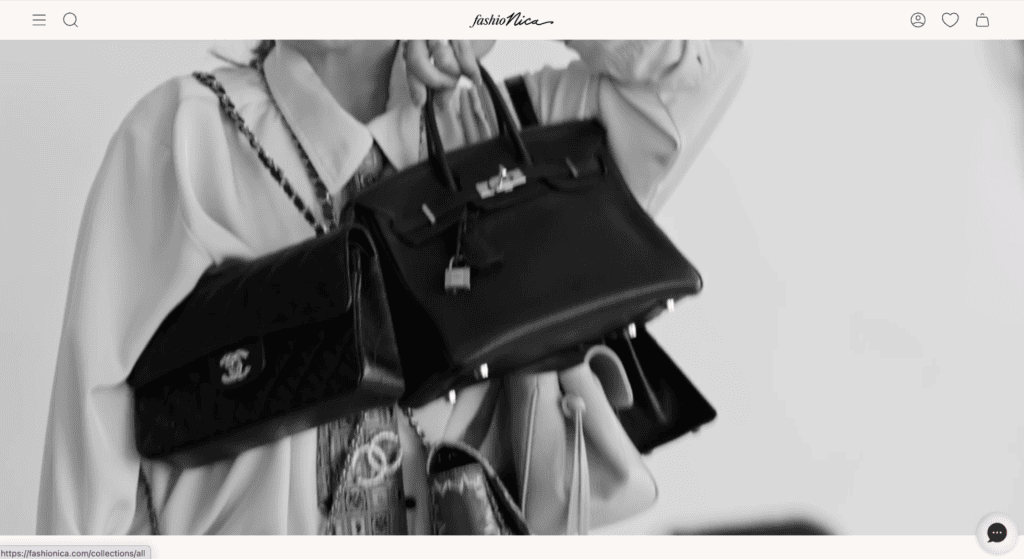
FashioNica is an e-commerce platform built around curating, restoring, and selling authenticated high-end vintage designer handbags and jewelry. Launched online in July 2021 and founded in 2014, they’ve grown into a multi-million dollar operation under CEO Nica Yusay. Collectors looking to shop vintage designer bags through a trusted, tech-backed source will find that FashioNica’s weekly drops (featuring Hermès and Chanel, among others) sell out fast, which tells you something real about demand. Their use of Entrupy authentication technology sets a high bar for verification in this space.
Why Is FashioNica a Contender for Shops For Vintage Designer Bags?
FashioNica addresses one of the toughest buyer problems in resale: trusting that what you’re buying is genuinely what it claims to be, at a price that reflects real market value. Their gamified drop model and live preview events create an experience that most resale shops simply don’t offer, and that kind of engagement builds the buyer trust that luxury retail actually requires.
From the User Reviews:
The media coverage alone signals credibility here. Founder Nica Yusay has been featured in Forbes, Vogue Business, Fortune, and CNBC, and that level of editorial attention doesn’t usually come without substance behind it. From what the reviews show, buyers respond strongly to the weekly drop format and the authentication transparency, with many noting that pieces arrive exactly as described.
2) Vintasje – Best for Preloved Luxury Designer Fashion Retail
What Is Vintasje’s Business?
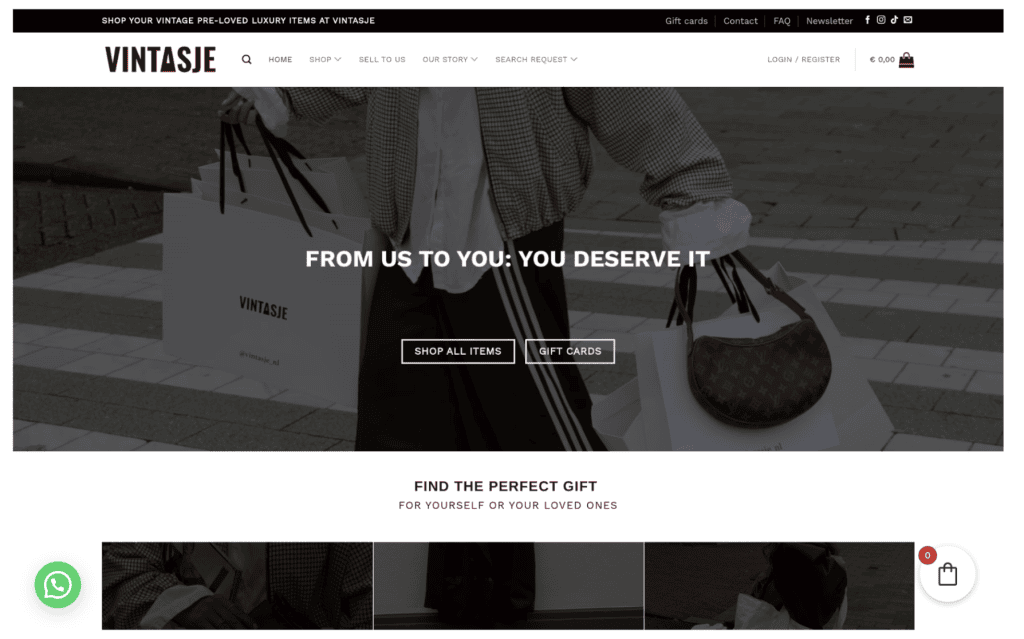
Vintasje is a Dutch webshop founded in 2021 by Bo and Cilla, focused on curated preloved designer bags, fashion, and accessories from labels like Gucci, Louis Vuitton, and Chanel. Every piece they stock is one they’d personally wear, which is a genuinely useful filter in a market flooded with questionable inventory. They operate direct-to-consumer and run weekly new arrivals, keeping the selection fresh. That personal curation standard gives them an edge on condition consistency (not every shop holds itself to that bar).
Why Is Vintasje a Contender for Shops For Vintage Designer Bags?
Vintasje solves the condition grading problem by applying a single consistent standard across every piece they list, removing the guesswork buyers face when shopping across multiple resellers. That kind of personal ownership over curation usually means fewer disputes and higher satisfaction among buyers who know exactly what they’re getting.
From the User Reviews:
Vintasje doesn’t have a large public review profile yet, given how recently they launched. What’s clear from their community presence is that the personal selection philosophy resonates with buyers who want curation over volume. Shoppers respond well to the regular new arrivals and the consistent quality standard across listings.
3) RDB VINTAGE – Best for Parisian-Sourced Luxury Vintage Fashion
What Is RDB VINTAGE’s Business?
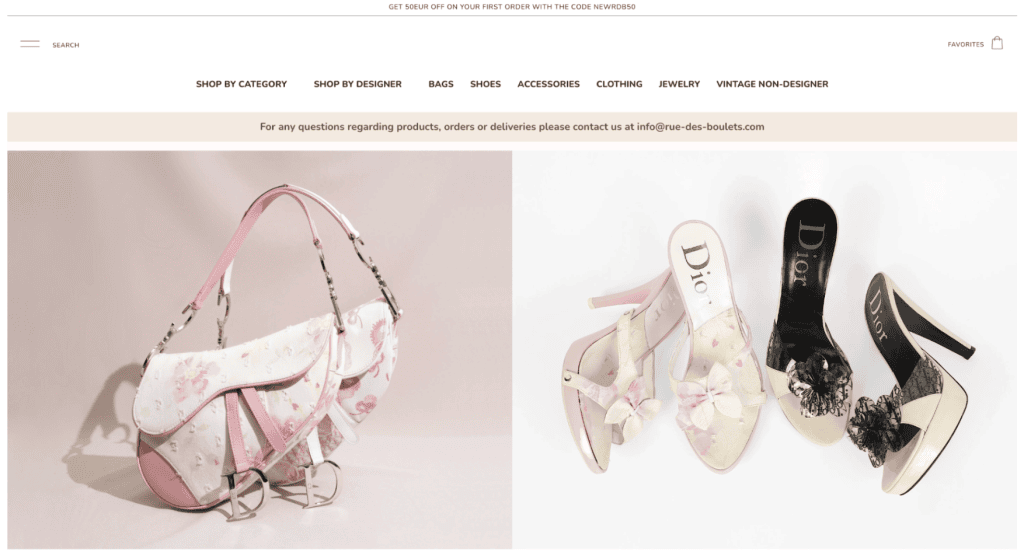
RDB VINTAGE is a Paris-based online shop established in 2019, named after the Rue des Boulets metro stop in the city’s 11th Arrondissement. They curate authenticated vintage and second-hand pieces from Chanel, Dior, Fendi, Louis Vuitton, Prada, and YSL, with everything sourced directly in Paris. The Paris sourcing angle gives them real access to a vintage market that’s genuinely different from what shows up on US resale platforms. They also ship worldwide, so geography isn’t a barrier for buyers.
Why Is RDB VINTAGE a Contender for Shops For Vintage Designer Bags?
RDB VINTAGE tackles the challenge of finding unique pieces with genuine European provenance, which matters for collectors who want bags with a different history than what domestic resellers typically carry. Their guaranteed authenticity model and 27,000 Instagram followers signal that buyers trust both the product and the sourcing story behind it.
From the User Reviews:
Public review data for RDB VINTAGE is limited, but their social presence and consistent inventory updates suggest an engaged buyer community. Paris-sourced inventory tends to surface styles and conditions that are harder to find elsewhere. From what the research shows, their focused curation and clear authenticity guarantee are the main reasons buyers keep coming back.
4) Break. Archive – Best for Luxury Vintage Retail and Social Commerce
What Is Break. Archive’s Business?
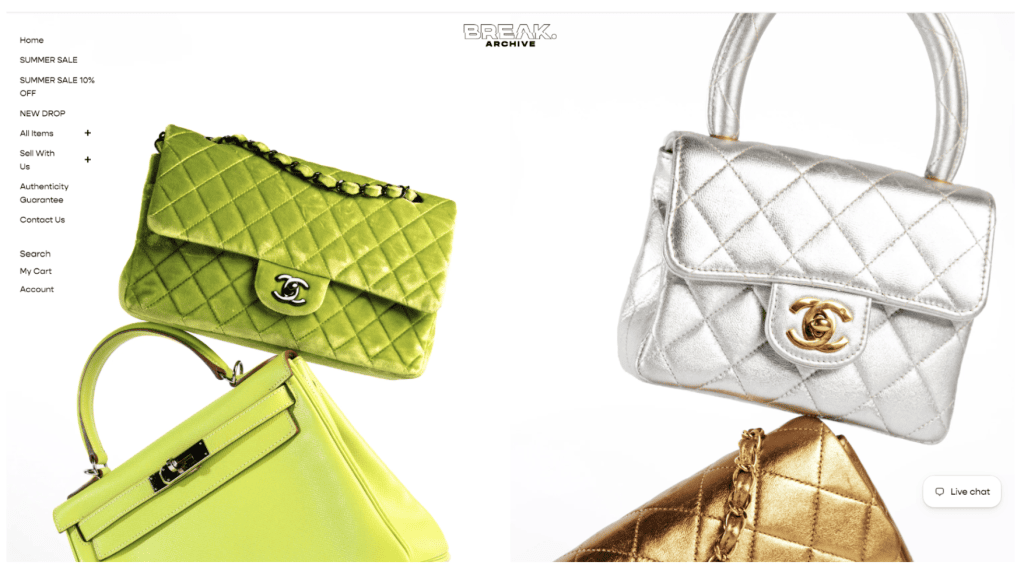
Break. Archive is a London-based, single-founder operation that sources and resells authenticated vintage designer handbags and accessories from Louis Vuitton, Gucci, Fendi, and Chanel. Their bi-weekly drop model releases 150 to 200 products at a time, and individual drops have reportedly generated £44,000 in overnight revenue. In-house authentication covers stitching, material consistency, hardware, and brand-specific logos. With 270K Instagram followers and 208K TikTok followers, they’ve built one of the more impressive social-first luxury resale brands out there (scrappy but serious).
Why Is Break. Archive a Contender for Shops For Vintage Designer Bags?
Break. Archive handles the urgency and trust problem at the same time: the drop model creates scarcity that drives quick decisions, while the in-house authentication process gives buyers enough confidence to act fast without second-guessing condition or legitimacy. That combination is what pushes them past £1 million in annual revenue despite operating as a one-person business.
From the User Reviews:
The social metrics here are genuinely impressive for a shop of this size. Buyers respond to the drop format the same way sneaker collectors respond to limited releases, with real anticipation and fast action. The authenticity guarantee and condition accuracy appear to hold up under scrutiny, which is what keeps repeat buyers coming back drop after drop.
5) Lola Saratoga – Best for Luxury Designer Consignment and Pre-Owned Accessories
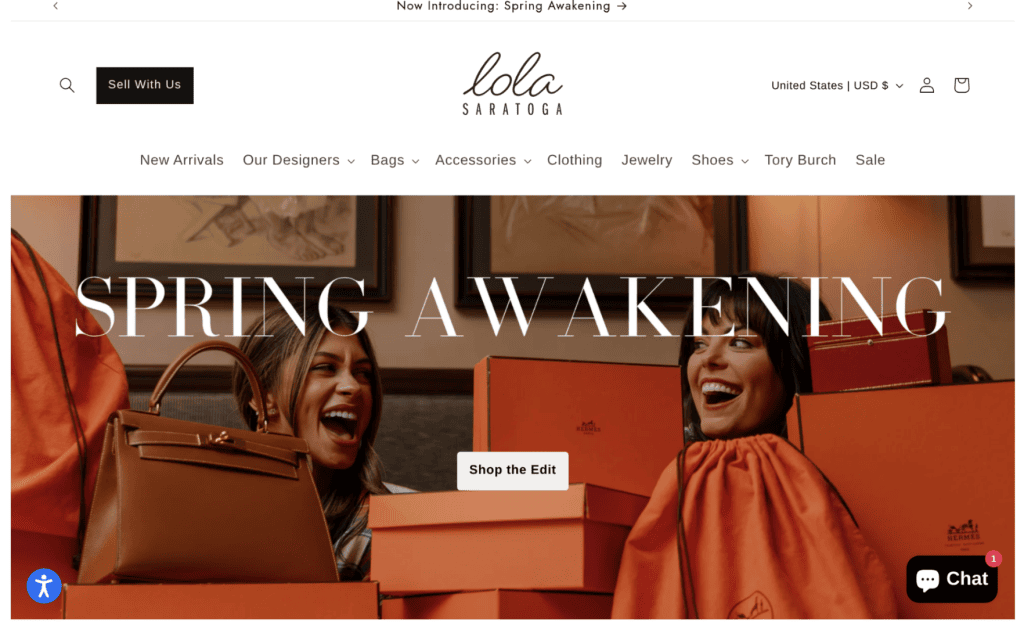
What Is Lola Saratoga’s Business?
Lola Saratoga is a consignment specialist founded in 2013, operating retail locations in Saratoga Springs and Albany, New York. They carry pre-owned bags and accessories from Louis Vuitton, Chanel, Gucci, Prada, Hermès, and YSL, alongside contemporary brands like Tory Burch and Gorjana. Each item goes through a multi-point authentication process with third-party certificates of authenticity (not cheap, but worth it for buyers who want paper to back up a purchase). Sellers have three options: buyout, consignment, or store credit, and the team responds to inquiries within one to two business days.
Why Is Lola Saratoga a Contender for Shops For Vintage Designer Bags?
Lola Saratoga addresses the trust gap that comes with buying pre-owned luxury in person, where condition and authenticity are just as important as they are online. Their third-party certification system adds a layer of accountability that’s harder to find at general consignment stores, and that’s why buyers with serious collections tend to trust them for higher-value pieces.
From the User Reviews:
Having a physical retail presence alongside an online store is a real differentiator in this market. Buyers who want to inspect a bag before committing can do that, which removes one of the biggest friction points in luxury resale. From what the research shows, the combination of in-store experience and rigorous authentication keeps their repeat purchase rate consistently strong.
The Process Behind This Ranking
Putting together a list of the best shops for vintage designer bags required more than a quick search. The research process was built around sourcing, filtering, and verifying, so that every shop included here earned its spot through evidence rather than visibility alone.
What Gets Captured in the First Phase
The starting point was building a broad list of potential shops across the US and Europe. Directories, resale community discussions, editorial features, and brand discovery on social platforms all fed into the initial pool. The goal at this stage was breadth, not judgment, pulling in any shop that appeared more than once across credible sources.
Pre-Verification Phase
Once the longlist existed, the filtering began. Any shop without a clear authentication process or a public-facing record of how they verify items was removed early. Review patterns were also analyzed at this stage, looking for consistency in what buyers said about condition accuracy and post-purchase experience, not just star averages.
The Verification Phase
Each remaining shop was then cross-referenced more carefully. Claims made on official websites (about authentication methods, sourcing, and condition grading) were checked against what buyers actually reported. Where those matched closely, the shop moved forward. Where gaps showed up, that flagged a closer look or removal from consideration.
Tracking Authority Markers
Editorial features, media mentions, and recognizable publications carrying coverage of a shop all factored in. A shop founder appearing in Forbes or Vogue Business carries different weight than a press release. Shops that showed up in independent editorial coverage (not just paid placements) were given more credit during evaluation.
Shops For Vintage Designer Bags Proof Points
The final check focused on whether each shop could show actual results in the luxury resale space. Dedicated service pages, verified buyer reviews, social proof with real engagement, and evidence of repeat purchase behavior were all reviewed. Shops with vague descriptions and no traceable buyer feedback didn’t make the final list, regardless of how polished their website looked.
How to Pick Your Best Match
Choosing the right vintage designer bag shop comes down to a few factors that matter more than price alone. Here’s what to actually weigh before committing.
- Industry/Domain Experience: Look for shops with a clear specialization in luxury resale, not general secondhand retail. A shop that’s been buying and selling Hermès and Chanel for years will catch authentication red flags that a generalist won’t.
- Features and Service Options: Consider whether you need consignment options, a physical location to inspect pieces, or a drop-model experience that curates inventory for you. Different shops serve different buying styles.
- Pricing Structure: Understand how each shop prices relative to current market benchmarks. Fair pricing requires knowledge of resale comps, and shops that are transparent about their pricing rationale are worth more trust.
- Results Measurement: Pay attention to authentication guarantee rates and how disputes get resolved. A shop’s track record on condition accuracy and post-purchase support tells you more than any listing description.
- Industry Knowledge and Compliance: Authentication standards like Entrupy verification or third-party certificates of authenticity matter. Shops that follow recognized luxury goods authentication standards give buyers real protection.
Closing Thoughts
Buying vintage designer bags well means finding shops that treat authentication as a non-negotiable, not an afterthought. The five options here cover a real range, from social-first drop models to physical consignment with third-party certification. What they share is a serious approach to verification and a buyer-first reputation built over time. As the pre-owned luxury market keeps growing, the shops that combine rigorous authentication standards with transparent pricing will be the ones that serious collectors return to again and again.