
Expanding commercial delivery fleets present unique highway hazards for family road trippers, making defensive driving and emergency preparation critical.
Packing snacks and strapping kids into car seats signals the start of a memorable family road trip. Hitting the open interstate exposes your vehicle to massive freight haulers and delivery vans traveling at high speeds.
Sharing lanes with these large commercial carriers creates genuine risks that demand your full attention behind the wheel. Recognizing these highway dangers transforms a stressful drive into a manageable journey for you and your loved ones.
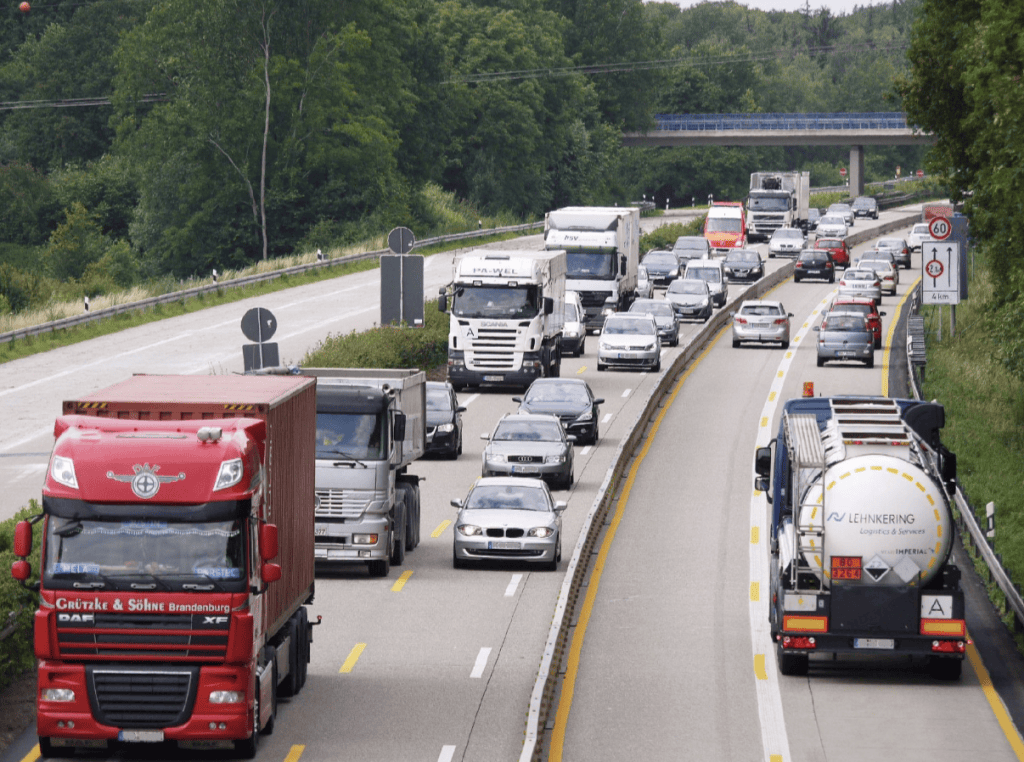
image credit: https://pixabay.com/photos/highway-construction-site-narrowed-1277246/
What Makes Commercial Truck Traffic So Dangerous for Families?
Commercial logistics fleets continue expanding across major interstates, meaning your family shares the asphalt with heavier and longer vehicles than ever before. Passenger cars weigh a fraction of a fully loaded semi-truck, creating an extreme physical imbalance during any highway collision. Stopping distances for commercial carriers stretch far beyond standard passenger cars, requiring immense runway to brake safely.
When traffic slows suddenly ahead, a heavy freight truck needs significantly more space to halt. If a commercial driver experiences fatigue behind the wheel, reaction times drop dramatically. Research by the United States Department of Transportation highlights that examining alternative rest options helps determine how rest schedules affect general safety performance and fatigue levels among operators.
How Can You Spot and Avoid Massive Freight Blind Spots?
Large delivery trucks possess massive blind spots stretching along both sides, directly behind the trailer, and immediately in front of the cab. Remaining inside these invisible zones places your family directly in danger without the truck driver realizing your presence. Checking your mirrors constantly lets you clear these hazard zones rapidly rather than lingering beside a semi-truck.
Passing a commercial vehicle requires decisive action and smooth acceleration. Never cruise alongside a delivery truck for extended periods because that leaves your vehicle hidden from the driver’s direct line of sight. Move past the rig swiftly while signaling your intentions clearly to surrounding motorists.
What Immediate Steps Should You Take After a Collision?
The moments following a highway crash involving a massive freight vehicle bring immediate panic and confusion. Families often find financial recovery much smoother when using a personal injury attorney to handle complex corporate negotiations. Staying calm during these initial minutes sets the foundation for your future protection.
Contacting emergency services right away guarantees medical professionals evaluate every family member for hidden injuries. Documenting the scene with clear photographs of vehicle damage, road conditions, and commercial branding provides critical evidence for later investigations.
What Defensive Driving Habits Protect You on Long Trips?
Maintaining a safe following distance gives your vehicle the necessary buffer to react to road debris or sudden braking from trucks ahead. Scanning the highway far beyond the vehicle immediately in front of you reveals slowed traffic patterns long before you reach them.
Here are key habits to protect your family on the road:
- Maintain trailing space: Leave at least 4 seconds of distance behind any large commercial freight carrier.
- Watch tire treads: Inspect truck tires for wear or debris that might detach at highway speeds.
- Signal lane changes: Indicate your movements well in advance so commercial drivers anticipate your path.
- Avoid distracted driving: Keep your eyes focused entirely on the highway rather than mobile devices or cabin distractions.
Why Is Navigating Corporate Insurance Claims So Complex?
Commercial trucking accidents rarely involve simple driver-to-driver insurance discussions. Major logistics corporations employ teams of adjusters and attorneys designed to minimize financial payouts to injured families. Administrative rules outlined by The White House emphasize that commercial drivers remain integral to economic strength, yet corporate entities frequently prioritize protecting company assets over assisting victims.
Negotiating with corporate insurers requires deep familiarity with federal transportation regulations and liability standards. Without professional guidance, families routinely accept settlement offers that fall far short of covering long-term medical treatments and vehicle replacement costs.
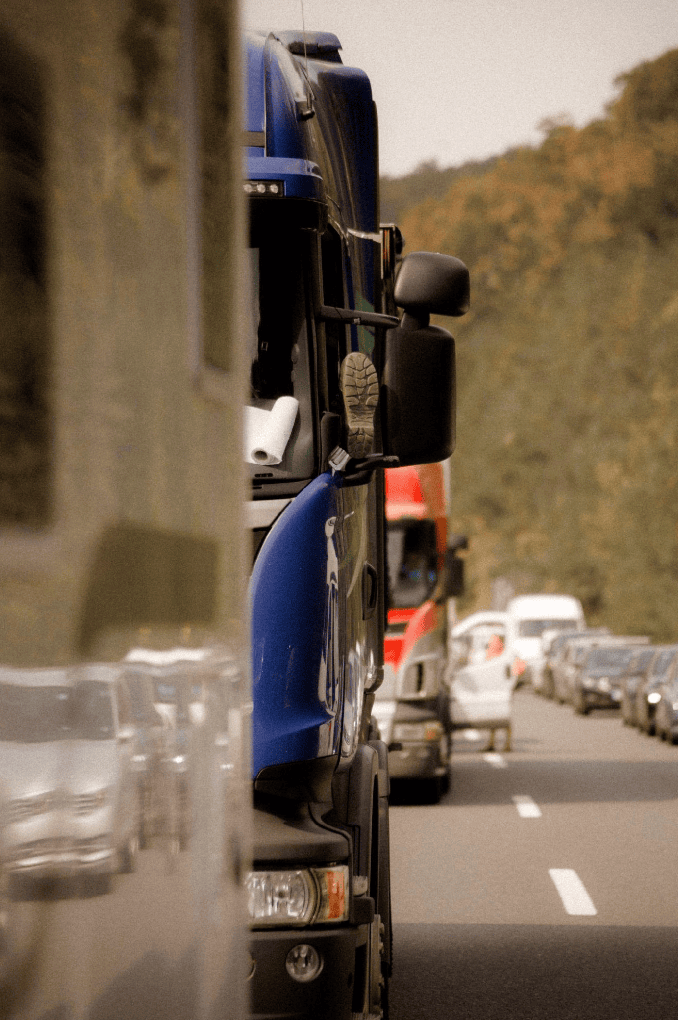
image credit: https://pixabay.com/photos/highway-traffic-jam-road-trucks-6704744/
How Do Third-Party Logistics and Liability Work?
Modern delivery networks often rely on third-party brokers, maintenance contractors, and independent dispatchers rather than a single trucking company. Determining who bears responsibility for a crash requires examining maintenance logs, cargo loading records, and employment contracts.
A single mechanical failure might trace back to a negligent maintenance provider hired by an external logistics firm. Unraveling these interconnected business relationships takes specialized knowledge of corporate liability laws.
What Legal Strategies Secure Fair Compensation for Families?
Recovering damages after a severe commercial vehicle collision involves compiling comprehensive medical records, expert accident reconstructions, and wage loss documentation. Building an airtight claim shields your family from bearing the financial burden of an accident caused by corporate negligence.
Consider these tactical priorities for your recovery:
- Preserve digital evidence: Request electronic logging device data and dashcam footage before the trucking company deletes records.
- Track medical expenses: Keep detailed receipts and treatment plans for every doctor visit and therapy session.
- Calculate future needs: Project long-term rehabilitation costs rather than settling for immediate out-of-pocket expenses.
- Consult legal experts: Partner with specialized advocates who understand commercial freight litigation standards.
Facing the open highway alongside expanding commercial fleets demands vigilance, preparation, and proactive safety measures. When unexpected collisions occur, understanding your rights helps your family navigate the aftermath with confidence and secure the support you deserve.