
Living Room Checklist
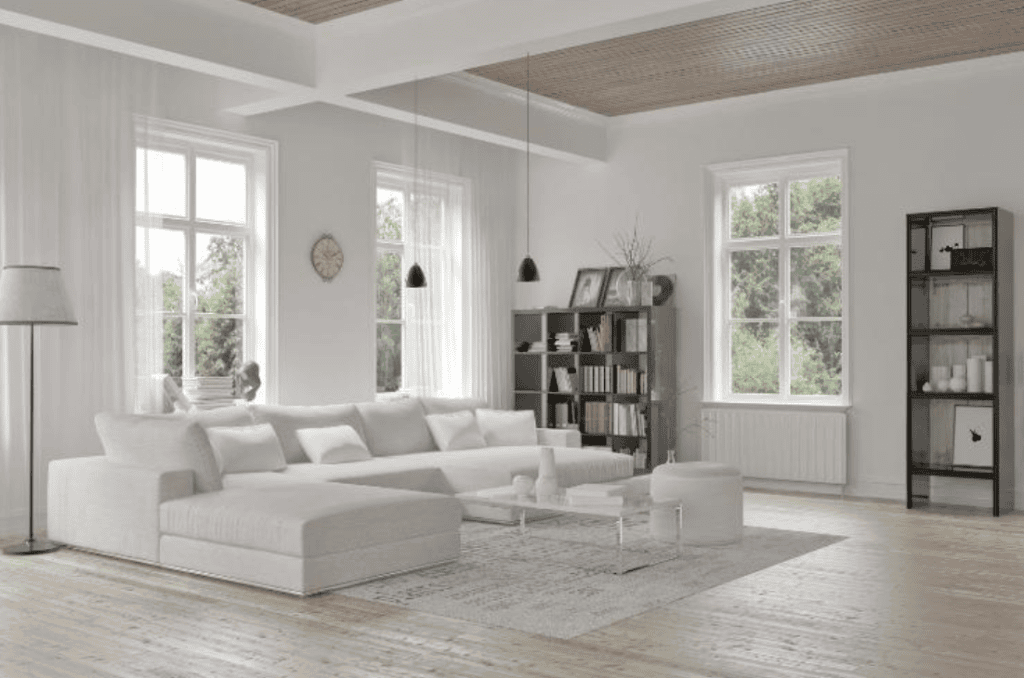
[Image by TMGZ2021 on Canva]
The living room does more than fill space in your home. It hosts movie nights, birthday celebrations, quiet mornings with coffee, homework sessions, and conversations that bring everyone together. Because it serves so many purposes, creating a room that feels comfortable while staying practical takes careful planning.
Whether you’re furnishing a new home or refreshing your current space, a thoughtful approach helps you create a living room that works for every member of the family. Here’s a complete checklist to help you strike the right balance between comfort, function, and everyday style.
Start With Seating That Fits Your Family’s Lifestyle
The sofa usually becomes the focal point of the living room, so choosing the right one deserves plenty of thought. Instead of focusing only on appearance, consider how your family actually uses the space.
Think about questions like:
- How many people typically sit together?
- Do you host guests regularly?
- Do children use the sofa for reading, playing, or watching television?
- Will pets be sharing the furniture?
A modular design offers flexibility that traditional sofas often can’t match. As your family’s needs change, you can rearrange individual sections to suit different occasions, whether you’re entertaining visitors or creating extra room for family activities.
For households looking for adaptable seating, the modular sectional couch collection from Soulfa offers a practical solution that can be configured to suit different room layouts without requiring an entirely new sofa.
Create Comfortable Conversation Areas
A beautiful living room isn’t always a functional one. Furniture arranged only around the television can make conversation feel like an afterthought.
Instead, position seating so family members can comfortably talk to one another while still enjoying entertainment when they choose. Even a slight adjustment in furniture placement can make the room feel more welcoming.
If space allows, add one or two accent chairs to create additional seating without overcrowding the room. Flexible seating gives everyone a place to relax while making gatherings feel more natural.
Include Storage That Works Every Day
Family living rooms often collect more than people expect. Toys, blankets, books, games, remote controls, charging cables, and magazines all need a home. Rather than constantly tidying loose items, incorporate storage directly into your design.
Consider adding:
- Storage ottomans for blankets and toys
- Shelving for books and decorative items
- Baskets for quick cleanups
- Closed cabinets to hide everyday clutter
- Side tables with drawers for smaller essentials
The easier it is to put things away, the easier it becomes to keep the room looking organized.
Layer Lighting for Different Activities
One ceiling light rarely provides enough flexibility for a family living room. Different activities require different types of lighting throughout the day. A layered lighting plan makes the room feel more comfortable and functional.
Include several light sources, such as:
- Floor lamps beside reading chairs
- Table lamps for softer evening lighting
- Adjustable task lighting for homework or hobbies
- Natural daylight wherever possible
Warm lighting can also help the room feel more inviting without requiring a complete redesign.
Choose Materials That Can Handle Daily Life
Family-friendly furniture should withstand everyday use without making you nervous about spills or muddy shoes. When selecting upholstery and finishes, look for materials that are easy to clean and durable enough for frequent use. Washable cushion covers, sturdy fabrics, and scratch-resistant surfaces often prove worthwhile over time.
If you have young children or pets, darker colors or textured fabrics may hide everyday wear better than delicate materials. This doesn’t mean sacrificing style. Instead, focus on pieces that balance style with practicality so your living room remains enjoyable rather than stressful.
Make the Space Adaptable as Your Family Changes
Families rarely stay the same for long. Children grow, hobbies change, guests visit more often, and homes sometimes serve new purposes, including remote work or home learning. Designing with flexibility in mind helps your living room continue meeting your needs for years to come.
Furniture that can move easily, multipurpose tables, and adaptable seating arrangements make it easier to refresh the room without starting over. This is one reason many homeowners choose modular furniture from Soulfa. Rearranging individual sections allows the room to evolve with changing routines rather than requiring a completely new layout.
Add Personal Touches That Make the Room Feel Like Home
Once the practical elements are in place, finish the room with details that reflect your family’s personality.
Display framed photographs, artwork created by your children, travel souvenirs, or favorite books. Layer soft cushions and throws to make seating more inviting, and introduce plants to bring warmth and texture into the space.
Try not to overcrowd every surface. Leaving some open space helps the room feel calm while allowing meaningful items to stand out.
Final Thoughts
A comfortable family living room isn’t about following design trends or filling every corner with furniture. It’s about creating a space that supports everyday life while remaining welcoming for everyone who walks through the door.
By choosing practical seating, planning flexible layouts, adding smart storage, layering your lighting, and selecting durable materials, you can create a room that feels just as good during busy weekdays as it does during relaxed weekends. With thoughtful planning, your living room can continue serving your family comfortably through every stage of life.