
What Should Cats Eat?
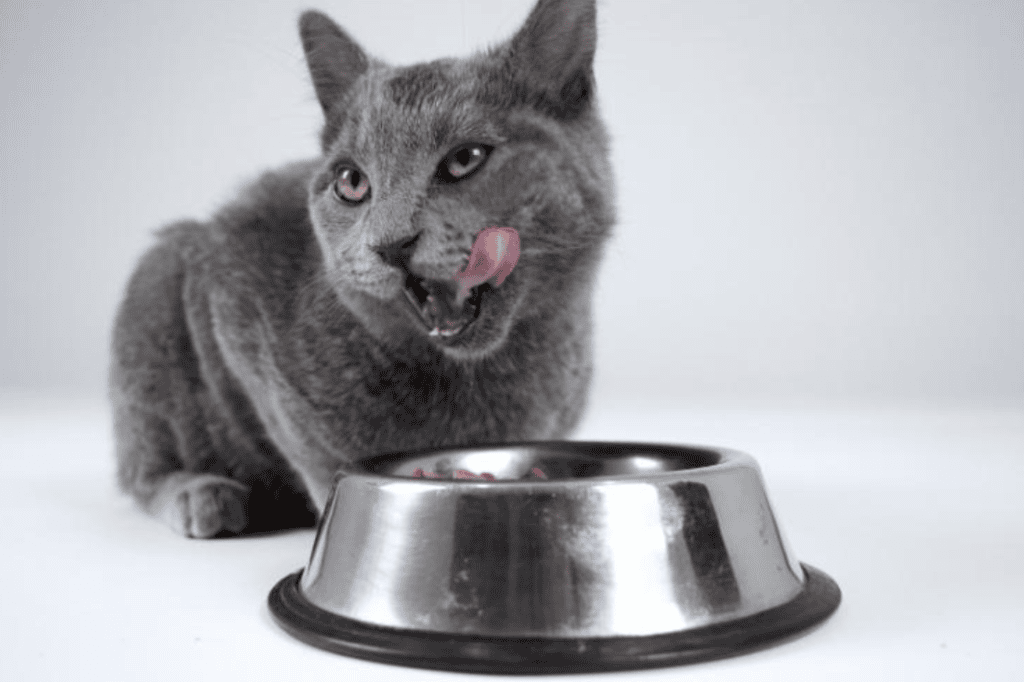
[Image by Omar Rojas Aguilar from Getty Images on Canva]
Cats may have a reputation for being picky eaters, but their dietary needs are actually quite specific. Unlike dogs, cats are obligate carnivores, meaning they rely on nutrients from animal-based ingredients to stay healthy. Choosing the right diet is about understanding what your cat needs at every stage of life.
Whether you’ve just welcomed a kitten into your home or you’re caring for a senior companion, learning the basics of feline nutrition can help you make informed feeding choices and support your cat’s long-term well-being.
Cats Have Unique Nutritional Needs
Cats evolved as hunters, and their bodies are designed to process animal protein efficiently. They require nutrients found in meat, including taurine, arachidonic acid, and certain vitamins that they cannot produce in adequate amounts on their own.
A balanced diet for a healthy cat should include:
- High-quality animal protein to support muscle function and other bodily functions.
- Moderate amounts of fat for energy and healthy skin and coat.
- Essential vitamins and minerals to maintain normal growth and immune function.
- Fresh water, regardless of the type of food they eat.
While carbohydrates can be included in some commercial diets, they should not replace the animal protein that forms the foundation of a cat’s nutrition.
Understanding the Different Types of Cat Diets
Today’s pet owners have several feeding options, each with its own advantages. The best choice often depends on your cat’s age, health, preferences, and your lifestyle.
Dry Food
Dry kibble is convenient, easy to store, and can remain fresh longer after serving. Many complete dry foods provide balanced nutrition when fed according to the manufacturer’s guidelines.
However, because dry food contains less moisture, cats eating primarily kibble should always have access to clean drinking water.
Wet Food
Canned or pouch food contains significantly more moisture than dry food. This can help support hydration, particularly for cats that naturally drink very little water.
Many owners also find wet food appealing for older cats or those with dental issues because of its softer texture.
Homemade Diets
Some owners prefer preparing meals at home. While this approach offers complete control over ingredients, it requires careful planning. Cats have precise nutritional requirements, and homemade meals can become unbalanced if they’re not formulated correctly.
If you’re considering a homemade diet, consult a veterinarian or a qualified veterinary nutrition professional before making the switch.
Where Freeze-Dried Foods Fit In
Freeze-dried diets have become increasingly popular among cat owners looking for minimally processed feeding options. During the freeze-drying process, moisture is removed while preserving much of the food’s original texture and nutritional profile.
Brands such as Fresh Is Best offer a selection of freeze-dried cat food that you can serve as a complete meal where appropriate or as part of a varied feeding routine. This option appeals to owners who want meat-focused ingredients without relying exclusively on canned or dry foods.
As with any dietary change, introducing new foods gradually can help your cat adjust more comfortably.
Feeding According to Life Stage
A cat’s nutritional needs change throughout life. Feeding the right diet at each stage helps support healthy development and aging.
Kittens
Growing kittens require more calories, protein, and nutrients than adult cats. They also benefit from multiple smaller meals throughout the day while they develop.
Adult Cats
Healthy adult cats need balanced nutrition that maintains muscle mass while providing enough energy for their activity level. Portion control also becomes important, particularly for indoor cats that exercise less frequently.
Senior Cats
Older cats may experience changes in metabolism, digestion, or dental health. Some benefit from foods that are easier to chew or digest, while others may require diets tailored to specific health conditions under veterinary guidance.
Regular veterinary checkups become increasingly important as cats age, allowing any dietary adjustments to be made based on their individual needs.
How to Tell If Your Cat’s Diet Is Working
A healthy diet often shows itself in everyday ways. While every cat is different, there are several signs that their nutritional needs are being met.
Look for:
- A healthy body condition without excessive weight gain or loss.
- A soft, shiny coat with minimal excessive shedding.
- Consistent energy levels appropriate for their age.
- Healthy digestion with well-formed stools.
- Good appetite and normal eating habits.
If you notice persistent vomiting, diarrhea, sudden weight changes, reduced appetite, or other concerning symptoms, consult your veterinarian rather than repeatedly changing your pet’s food on your own.
Common Feeding Mistakes to Avoid
Even well-meaning owners can make feeding mistakes that affect their cat’s health over time. One common issue is overfeeding. Indoor cats often need fewer calories than many people realize, and extra treats can quickly add up.
Frequent, sudden changes in food can also upset a cat’s digestive system. Whenever possible, transition to a new food gradually over several days.
It’s also important to remember that some human foods can be harmful to cats. Don’t feed your cat foods such as onions, garlic, chocolate, grapes, raisins, and alcohol.
Finally, don’t assume that a single diet works for every cat. Individual needs vary depending on age, activity level, medical history, and personal preference.
Final Thoughts
Feeding your cat well starts with understanding that feline nutrition is built around animal-based ingredients and balanced meals that meet their specific biological needs. Whether you choose dry food, wet food, freeze-dried options, or another veterinarian-approved diet, the goal is to provide complete nutrition that supports your cat through every stage of life.
By paying attention to your cat’s condition, introducing dietary changes thoughtfully, and working with your veterinarian when needed, you can make feeding decisions that help your feline companion stay healthy and happy for years to come.