
Prepare your Kids for a New Puppy
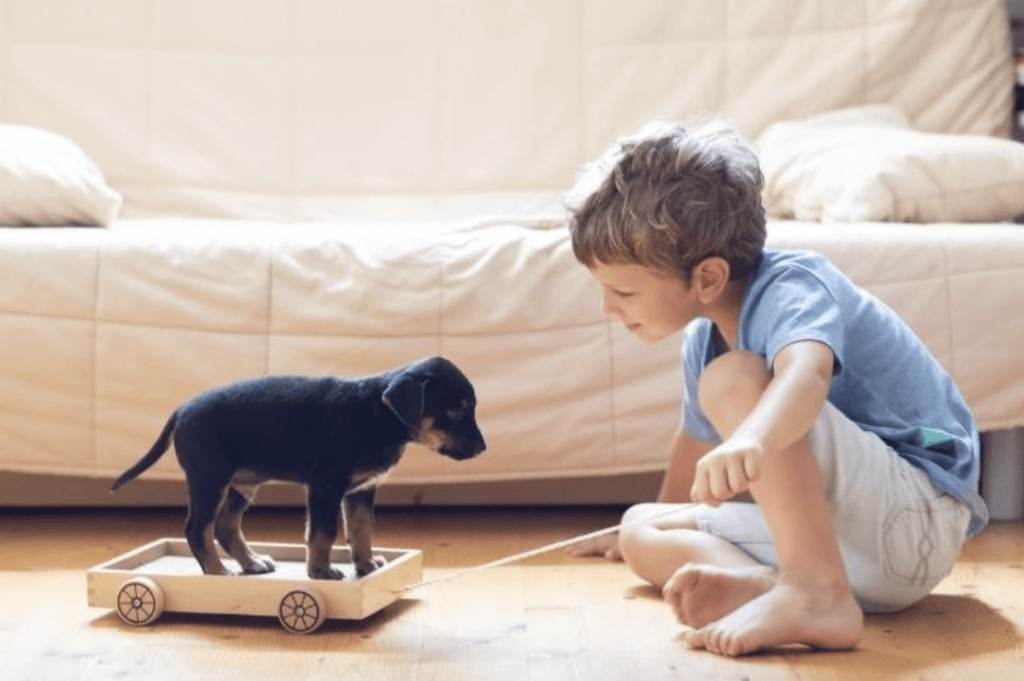
Bringing home a new puppy is exciting. Tiny paws, wagging tails, and puppy kisses can quickly capture the hearts of everyone in the family. But alongside the excitement comes responsibility. Children often dream about having a dog without fully understanding the daily commitment involved.
Preparing your kids before the puppy arrives can make the transition smoother for everyone, including your new furry family member. By setting realistic expectations and involving children in age-appropriate tasks, you can help them develop empathy, accountability, and a stronger bond with their pet from the very beginning.
Help Kids Understand What Puppy Ownership Really Means
Children often imagine the fun parts of having a puppy, such as playing fetch, cuddling on the couch, and teaching tricks. While those moments are certainly part of the experience, they only tell half the story.
Talk openly about the day-to-day responsibilities that come with caring for a dog. Explain that puppies need regular feeding, bathroom breaks, exercise, grooming, and training. They may chew on shoes, wake up early, and have accidents as they learn the house rules.
You can make these conversations age-appropriate by asking questions such as:
- Who will refill the water bowl each day?
- What happens if the puppy needs to go outside while you’re busy?
- How can we tell if the puppy feels tired or scared?
These discussions encourage children to think beyond the novelty and prepare them for real-life routines.
Prepare Before Your Puppy Arrives
Preparation doesn’t start on arrival day. It begins beforehand. Create a family plan that outlines everyone’s responsibilities. A visual chart displayed in the kitchen can help younger children remember their tasks and reduce confusion.
You can also practice certain routines before bringing your puppy home. Ask children to spend a week following the future feeding schedule or setting reminders for walks. This trial run reveals potential challenges and allows adjustments before a puppy enters the picture.
If you’re welcoming a puppy from outside your local area, timing and planning become even more important. You can have well-socialized puppies delivered to you from reputable online platforms as you establish routines, prepare supplies, and discuss expectations. Using the delivery waiting time to teach children how their actions contribute to a puppy’s comfort and security during those important first days at home.
Assign Age-Appropriate Responsibilities
Giving children tasks they can realistically manage helps them build confidence without setting them up for frustration. Younger children can:
- Help fill food and water bowls with supervision.
- Choose toys for playtime.
- Assist with brushing sessions.
- Put away the puppy’s belongings.
School-aged children can:
- Participate in training exercises.
- Help with short walks alongside an adult.
- Keep track of feeding schedules.
- Clean up toys and bedding.
Teenagers may take on more independent responsibilities, including daily walks, reinforcing training commands, and helping manage appointments.
HonestPet encourages families to approach pet ownership as a shared commitment rather than assigning all duties to one child. This approach teaches teamwork while helping children understand that caring for another living being requires consistency.
Teach Gentle Interactions and Respect
Children and puppies are both learning. Puppies may nip during play, jump when excited, or retreat when overwhelmed. Kids also need guidance to understand a puppy’s boundaries.
Teach children to:
- Let sleeping puppies rest.
- Avoid pulling ears, tails, or fur.
- Speak calmly instead of shouting.
- Approach slowly rather than rushing toward the puppy.
- Recognize signs that the puppy needs space.
Role-playing different scenarios can be surprisingly effective. Practice asking, “Does the puppy want to play right now?” or “What should we do if the puppy walks away?”
These lessons extend beyond pet ownership. They help children develop patience, empathy, and respect for others’ needs.
Set Realistic Expectations About Training
Even the sweetest puppy won’t arrive fully trained. House training takes time. Basic commands require repetition. Some days will feel productive, while others may feel like a step backward.
Preparing children for these realities reduces disappointment and frustration. Explain that mistakes are part of learning for both kids and puppies.
Celebrate small victories, such as:
- Sitting on command for the first time.
- Sleeping through the night.
- Going outside successfully.
- Walking calmly on a leash.
Recognizing progress teaches children perseverance and reinforces the idea that meaningful relationships develop through effort and patience. Consistency matters during the early months. Children who understand that progress happens gradually are more likely to stay engaged when training challenges arise.
Make Caring for a Puppy a Family Experience
A puppy shouldn’t become one child’s burden or responsibility alone. Family involvement creates a stronger support system and reduces the risk of resentment when enthusiasm naturally fades.
Consider establishing family rituals around your new pet, such as:
- Evening walks together.
- Weekly grooming sessions.
- Practicing training commands after dinner.
- Weekend playtime in the backyard.
These shared experiences strengthen family connections while helping children see pet ownership as an ongoing commitment rather than a temporary source of entertainment. It also gives parents opportunities to model compassion, responsibility, and adaptability. Children often learn most effectively by observing the adults around them.
Final Thoughts
Bringing a puppy into your home offers far more than companionship. It creates opportunities for children to develop responsibility, empathy, patience, and confidence through everyday actions.
The key is preparation. Honest conversations, age-appropriate tasks, realistic expectations, and family teamwork can help children adjust to the changes a new puppy brings. While there will undoubtedly be challenges along the way, those moments often become the lessons children carry with them long after the puppy years have passed.
When you take the time to prepare thoughtfully, you’ll be laying the foundation for a rewarding relationship built on care, trust, and shared responsibility.