
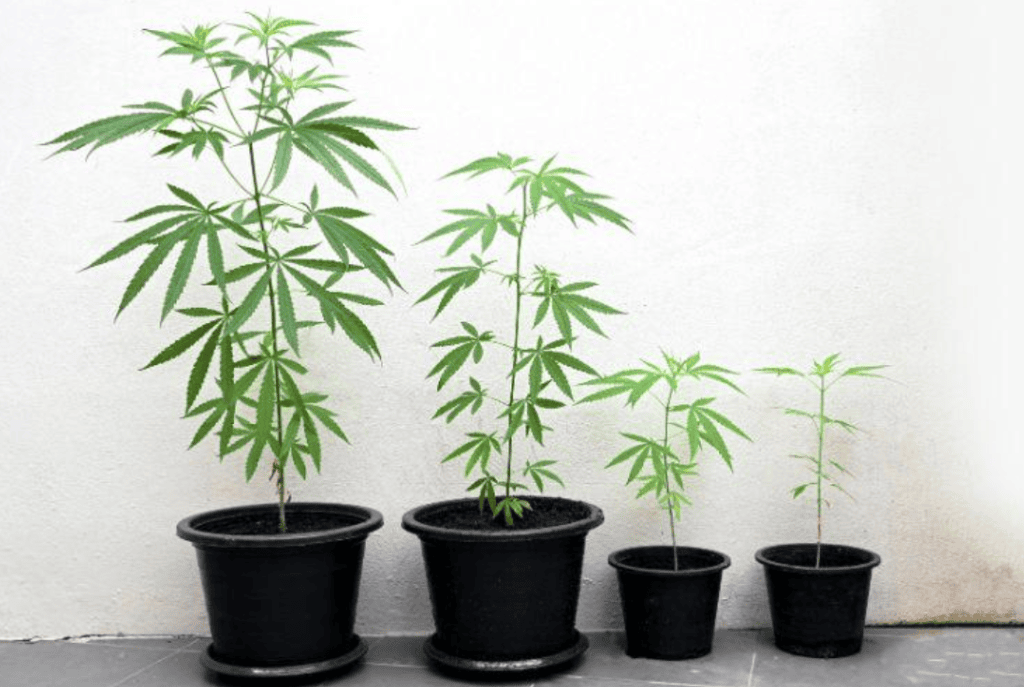
[Photo by JR on Canva].
Growing a plant from seed can turn gardening into a much more engaging hobby. You see the entire life cycle rather than bringing home an established plant and simply maintaining it. Cannabis is no exception, although it comes with an important complication: laws governing possession, seeds, and home cultivation vary considerably depending on where you live.
Understanding local regulations, researching plant genetics, thinking realistically about available space, and learning what a particular variety may require can prevent many avoidable problems. Here are the main considerations worth researching before starting a cannabis garden.
Check the Rules Before Planning Your Garden
Legalization does not necessarily mean that anyone can grow cannabis at home. Regulations can differ between states and local jurisdictions, and rules governing cultivation may be separate from those covering possession or purchasing cannabis.
Before buying seeds or planning a growing space, check the current rules issued by the relevant state and local authorities. Depending on the jurisdiction, regulations may address factors such as:
- Who is permitted to cultivate cannabis
- Where plants can legally be kept
- Limits on home cultivation
- Visibility and security requirements
- Differences between recreational and medical cultivation
- Restrictions affecting renters or particular properties
Rules can also change, so information from an old forum discussion or social media post may no longer reflect current law.
Think About Your Space and Lifestyle
Gardening requires commitment, and cannabis cultivation should not be treated as a hobby that can simply be forgotten for weeks at a time. Before getting started, consider how the project would fit into your home and everyday routine.
Indoor and outdoor gardening present different considerations. Outdoor plants are exposed to natural seasonal conditions, while indoor gardening requires the grower to create and manage an appropriate environment. Available space, privacy, household circumstances, climate, and local rules can all influence which options are realistic.
It is also worth considering other people who share the property. A growing project should not create unexpected problems for housemates, neighbors, landlords, children, or pets.
Treat the decision much as you would any substantial home-gardening project: understand what you are taking on before purchasing supplies.
Understand What You Are Starting With
First-time gardeners can easily focus on equipment while overlooking one of the most fundamental choices: the plant itself. Cannabis is not a single, uniform plant in terms of the characteristics consumers encounter when researching seeds. Different varieties and seed categories are available, so it pays to understand terminology before making a choice.
Seed retailers such as Pacific Seed Bank organize cannabis seeds into categories and individual varieties. Browsing these categories can help newcomers become familiar with the terminology used in the seed market, although retailer information should be considered alongside independent research and applicable local laws.
Sativa is one term beginners are likely to encounter. Anyone researching this category can look at examples of sativa seeds from Pacific Seed Bank to see how varieties are presented commercially. Rather than selecting something based solely on a familiar name, new growers should research the characteristics associated with the particular seeds they are considering and whether those characteristics make sense for their circumstances.
This is also a useful point to slow down. Buying seeds should come after researching legality and deciding what kind of gardening project is realistic, not before.
Learn the Basics of Plant Care First
Someone who has never kept a houseplant alive may find that jumping immediately into a demanding gardening project creates unnecessary frustration. General gardening knowledge provides a useful foundation.
Plants depend on suitable environmental conditions, and problems can arise when those conditions are poorly managed. New gardeners should become comfortable recognizing changes in plant appearance and understanding that those changes can have multiple possible causes.
Rather than reacting to every change by immediately adding another product, develop basic observational habits. Keep track of what you have done and when. If something changes, consider what else has recently changed before trying to correct it.
It also helps to learn gardening principles from reputable horticultural resources rather than relying entirely on anonymous online advice. Cannabis communities can contain plenty of practical experience, but conflicting recommendations are common. Understanding general plant biology makes it easier to assess what you read.
Avoid Buying Everything at Once
New hobbies have a way of producing long shopping lists. Gardening is no different. Beginners can easily come away with the impression that they need a room full of specialist products before they have planted a single seed.
Start by separating genuine requirements from optional extras. What you actually need will depend heavily on your chosen growing environment, the plants involved, and local regulations. Research those factors first, then make purchasing decisions.
The same principle applies when something goes wrong. Buying several products at once can make troubleshooting more confusing because you may not know which change affected the plant.
A simpler approach also makes it easier to decide whether cannabis gardening is a hobby you genuinely enjoy before committing substantial money or space to it.
Treat the First Attempt as a Learning Experience
Gardening involves variables that cannot always be controlled perfectly. Weather changes. Plants respond differently. Beginners make mistakes. Even experienced gardeners sometimes have a season that does not go according to plan.
Keeping simple notes can make the experience more useful. Record the variety you selected, important dates, noticeable changes, and problems you encountered. The goal is not to create an elaborate scientific record but to avoid relying entirely on memory.
Most importantly, be patient with the learning process. Reading extensively before starting is useful, but practical gardening also teaches observation and consistency over time. Focus on understanding your plants rather than chasing perfect results immediately.
Final Thoughts
Starting a cannabis garden involves more than choosing an interesting strain and planting a seed. For beginners, the groundwork starts with checking the law, assessing available space, understanding what they intend to grow, and developing sound general gardening knowledge.
Taking time to research these areas can also prevent unnecessary spending and unrealistic expectations. Cannabis may occupy a distinctive place legally and culturally, but growing it still requires the patience and attention associated with gardening more broadly.
If home cultivation is permitted where you live, approach the project as a long-term learning experience rather than a race to the finish. Careful research, realistic planning, and respect for local regulations provide a much stronger starting point for any first garden.