
Style Your Bed
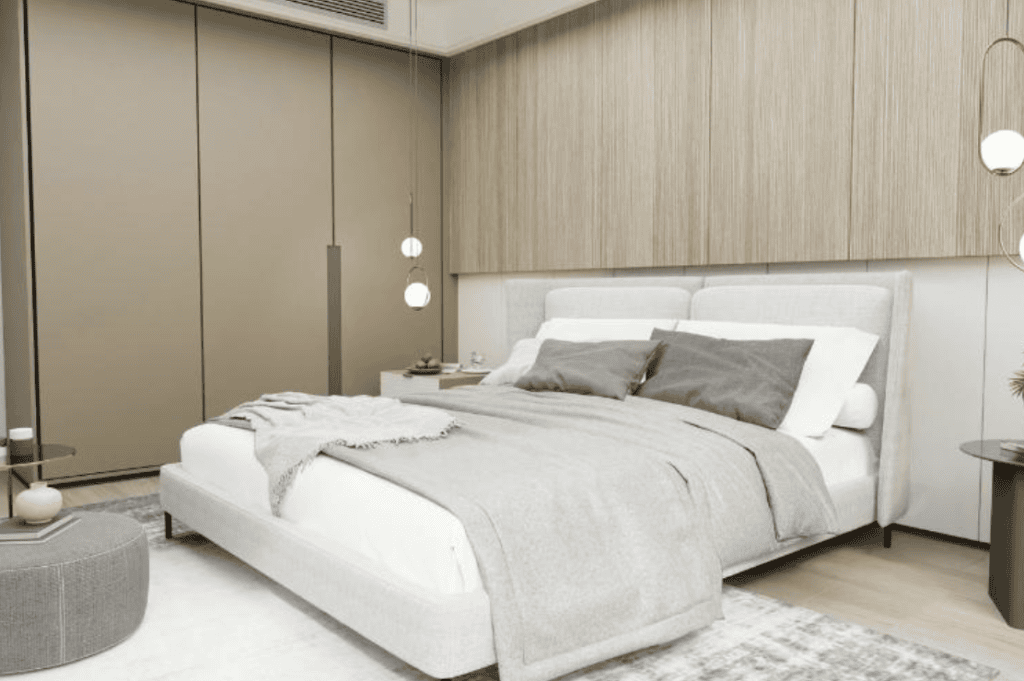
[Photo by dada _design on Canva].
A beautifully styled bed can completely transform the look and feel of a bedroom. Interior designers understand that because the bed is usually the largest piece of furniture in the room, it naturally becomes the focal point.
Creating a designer-inspired bed is about choosing the right foundations, layering textures, coordinating colors, and paying attention to the finer details. Whether your home has a modern, minimalist, traditional, or rustic style, these practical tips will help you style your bed to look effortlessly elegant.
Start With a Strong Foundation
Every professionally styled bed begins with quality bedding. When choosing bedding, think beyond color alone. Consider how the fabric feels, how well it drapes across the mattress, and whether it complements the rest of your bedroom décor.
A good foundation should include:
- A fitted sheet that sits neatly without bunching.
- A duvet that fills the cover evenly.
- Pillowcases that match the overall color scheme.
- Bedding that feels comfortable for everyday use.
Build a Cohesive Color Palette
Interior designers create harmony by layering complementary shades that feel balanced rather than overly coordinated.
Neutral colors remain popular because they’re versatile and timeless. Whites, creams, taupes, soft greys, and warm beige tones work well together and provide a calming backdrop.
If you enjoy color, introduce it thoughtfully rather than using several bold shades at once. A single accent color repeated through cushions, artwork, or a throw blanket helps tie the room together without overwhelming the space.
For example:
- Soft sage paired with cream and natural wood.
- Navy combined with white and light grey.
- Terracotta alongside warm beige and muted olive.
- Charcoal balanced with soft ivory and pale oak furniture.
Layer Bedding for Depth and Comfort
One of the biggest differences between an ordinary bed and one styled by an interior designer is thoughtful layering. Build visual interest by combining different layers that vary in height, texture, and weight. A simple layered arrangement could include:
- Begin With the Basics: Make the bed neatly using fitted sheets, flat sheets if preferred, and a smooth duvet.
- Fold Back the Top Edge: Folding the duvet back slightly creates dimension while allowing pillowcases to become part of the design.
- Add a Throw Blanket: Position a folded throw across the foot of the bed or casually drape it over one corner for a more relaxed appearance.
- Finish With Cushions: Decorative cushions should complement the bedding rather than dominate it. Two or three carefully selected cushions often look far more sophisticated than a large collection.
Introduce Different Textures
Texture is one of the easiest ways to make a bedroom feel professionally designed. Even if your color palette is simple, combining different materials creates visual interest without making the room feel busy. Consider incorporating:
- Crisp cotton bedding.
- Soft linen pillowcases.
- Quilted coverlets.
- Chunky knitted throws.
- Woven blankets.
- Velvet or textured accent cushions.
The contrast between these fabrics creates a more inviting appearance while adding warmth and character to the room.
If you’re refreshing your bedroom, selecting bedding that works well with multiple textures makes styling much easier. Brands such as Doze Bedding offer versatile options that pair effortlessly with a variety of decorating styles.
If you’re looking for high-quality bedding online, Doze Bedding provides bedding that forms an excellent foundation for creating a polished, designer-inspired bedroom without overpowering the overall décor.
Arrange Pillows Like a Designer
Pillows can dramatically influence how luxurious a bed appears. However, more isn’t always better. Interior designers generally favor balanced arrangements that look inviting while remaining practical.
A simple layout might include:
- Two sleeping pillows positioned upright against the headboard.
- Two decorative Euro or standard cushions placed in front.
- One smaller accent cushion centered at the front.
For larger beds, you may choose additional cushions, but avoid overcrowding the bed. Removing six or seven cushions every evening quickly becomes inconvenient, making it less likely you’ll maintain the styled look.
Instead, choose cushions with interesting textures or subtle patterns that complement your bedding while keeping the arrangement manageable.
Pay Attention to the Surrounding Space
A professionally styled bed doesn’t exist in isolation. The surrounding furniture and accessories help frame the bed and complete the overall design.
Small adjustments around the bed can make a noticeable difference.
Consider:
- Matching Bedside Tables: Matching or coordinating bedside tables create balance and symmetry.
- Well-Proportioned Lighting: Table lamps or wall-mounted lights should feel appropriately sized for the bed and surrounding furniture.
- Simple Artwork: Artwork above the headboard helps anchor the bed visually without distracting from it.
- Decluttered Surfaces: Keeping bedside tables tidy allows the bed to remain the room’s focal point.
These supporting details work together to create a bedroom that feels calm, organized, and thoughtfully designed.
Refresh Your Styling Throughout the Year
Interior designers often make subtle seasonal changes rather than completely redecorating. During warmer months, lighter bedding, breathable fabrics, and fewer decorative layers help create a fresh, airy atmosphere.
As temperatures cool, adding heavier throws, textured blankets, and richer colors introduces warmth without requiring major changes to the room. Seasonal updates also provide an opportunity to refresh your bedroom without purchasing entirely new furniture or redecorating from scratch.
Swapping just a few soft furnishings can keep your bedroom feeling current while maintaining its overall style.
Prioritize Comfort Alongside Style
While appearance matters, the most successful bedrooms always prioritize comfort.
A perfectly styled bed should still feel inviting enough to climb into every evening. If decorative elements make your bed awkward to use or difficult to make each morning, simplify the arrangement until it suits your daily routine.
Choose bedding you’ll genuinely enjoy sleeping in, select colors that help you relax, and focus on timeless styling choices rather than short-lived decorating trends.
When comfort and thoughtful design work together, your bedroom becomes more than just a place to sleep. It becomes a space that supports relaxation, reflects your personal style, and feels welcoming every single day.
Final Thoughts
Styling your bed like an interior designer isn’t about copying showroom displays or filling your bedroom with decorative accessories. It’s about creating balance through quality bedding, layered textures, coordinated colors, and carefully chosen finishing touches.
By focusing on the fundamentals and making intentional styling decisions, you can transform your bed into the centerpiece of your bedroom. The result is a space that feels elegant, comfortable, and effortlessly put together while remaining practical enough to enjoy every day.